Metal Buying Guide

Contents
1. Gold 2. Gold Purity 3. Common Karatages 4. Gold Colours 5. Yellow Gold 6. White Gold 7. Rose GoldGold
Naturally occurring and celebrated across civilizations, the warmth and unmistakable glow of Gold is irreplaceable.
A symbol of divinity, purity and prosperity for thousands of years. Pure gold does not corrode or tarnish, making it one of the most stable metals found in nature. Its softness and malleability allow it to be shaped into intricate forms, which is why gold has long been the preferred metal for fine jeweler.
Beyond its aesthetic glisten, gold possesses remarkable physical properties- it conducts heat and electricity efficiently and remains chemically irresponsive even under strenuous environments. These qualities make gold invaluable not only in jewellery, but also in advanced technologies, including electronics and aerospace components.
Gold Purity
Expressed in karats (K), Gold's purity indicates the proportion of pure gold in an alloy. This differs from carats, which measure gemstone weight.
Pure gold (24K) is naturally soft, and therefore alloyed with other metals such as silver, copper, zinc, and palladium to achieve the strength and durability required for everyday wear. Alloying gold also influences its colour, allowing jewellers to create a diverse palette of shades that bring out the character of each design.
Common Karatages
1. 24K - 100% pure gold
2. 22K - 91.6% pure gold
3. 18K - 75% pure gold
4. 14K - 58.3% pure gold
24K gold is rich and deep in colour, but its softness makes it unsuitable for fine detailing or secure gemstone settings. For high craftsmanship, longevity, and comfortable wear, 18K and 14K gold are widely preferred.
Gold Colors
Gold’s colour is naturally a bright yellow. When alloyed with other metals, however, it takes on different tones that allow distinct aesthetics and design possibilities.
Yellow Gold
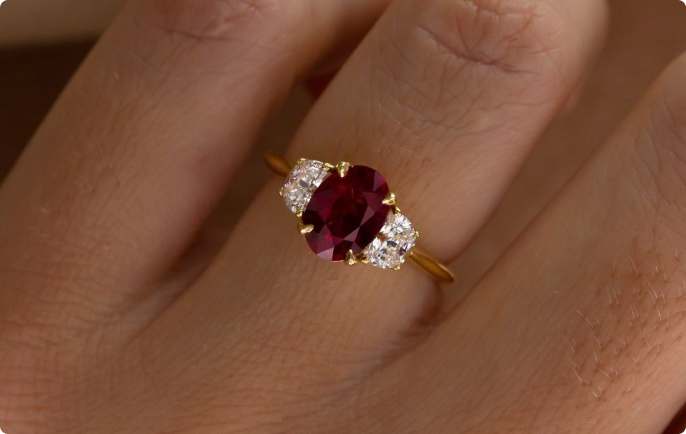
Yellow gold remains the most recognized form of gold. Yellow gold complements warm-coloured gemstones exceptionally well; for instance, emeralds appear more vivid and lush when set in yellow gold, as the metal enhances their natural green tone.
White Gold
Created by alloying gold with white metals such as silver, palladium, or zinc, White Gold craftred to complement diamond designs.
At Tanishq, all white gold alloys are nickel-safe and meet international standards, ensuring comfort for those with sensitive skin.
Rose Gold
Popular in everyday designs, Rose gold is created by combining gold with copper and a touch of silver. The higher the copper content, the deeper the hue of ‘Rose’. This colour ranges from a soft pink to an antique rose and has become a favourite for its romantic hue and its ability to enhance gemstones like pink sapphires, morganites, and tourmalines.
Platinum
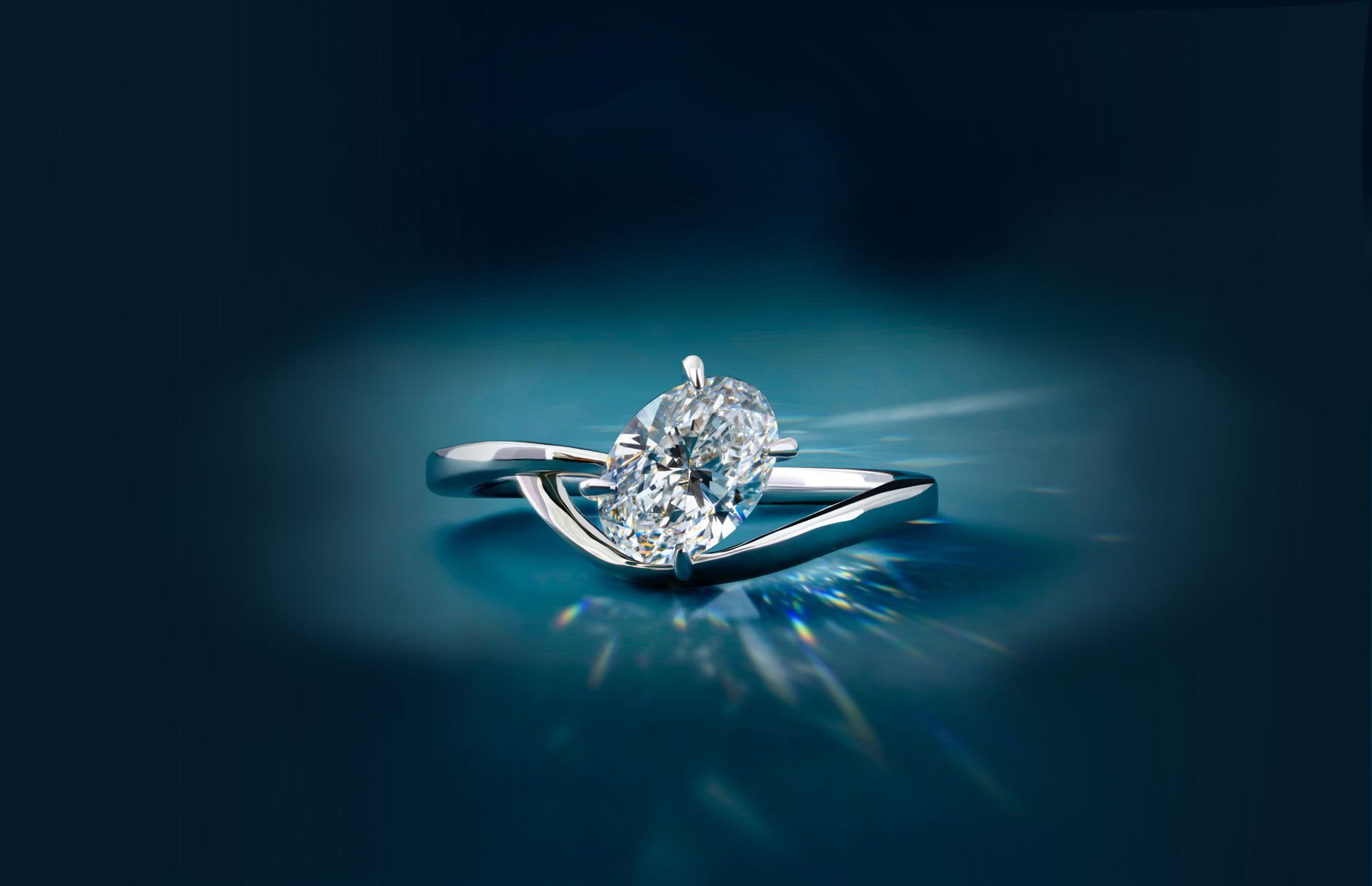
Platinum is among the rarest and most prestigious precious metals used in fine jewellery. Naturally white, dense, and exceptionally strong, platinum exudes a quiet, elevated luxury. It is significantly heavier than gold, giving jewellery a distinctive sense of substance.
One of platinum’s most celebrated qualities is its ability to hold gemstones with remarkable security. Unlike many metals, platinum does not wear away over time. Its natural whiteness also enhances a diamond’s brilliance without the need for plating.
Platinum’s rarity stems from its limited natural sources and its complex extraction and refining processes. The metal occurs alongside other members of the platinum group, requiring meticulous separation and refining that can take months from ore to finished material.
Platinum Purity
Platinum purity is measured in parts per thousand, not in karats. Most fine jewellery globally, including in India, is crafted in 950 platinum, meaning it contains 95% pure platinum. Platinum is:
• Hypoallergenic
• Naturally white and tarnish-resistant
• Extremely durable
• Able to retain its weight and structure over decades of wear
Its high purity and stability make platinum one of the most enduring metals used in luxury jewellery.
Platinum vs Gold
Both gold and platinum hold a revered place in fine jewellery, each offering distinct advantages. Platinum’s strength, density, and scarcity make it ideal for solitaire settings. Gold offers versatility in colour and karatage, enabling a wide spectrum of design possibilities and finishes. But, the choice between the two ultimately comes down to personal preference: the warmth and variety of gold, or the understated, enduring elegance of platinum.

Search with an image and find the same or similar jewellery
The file size should not exceed 6 MB
File size exceeds the limit